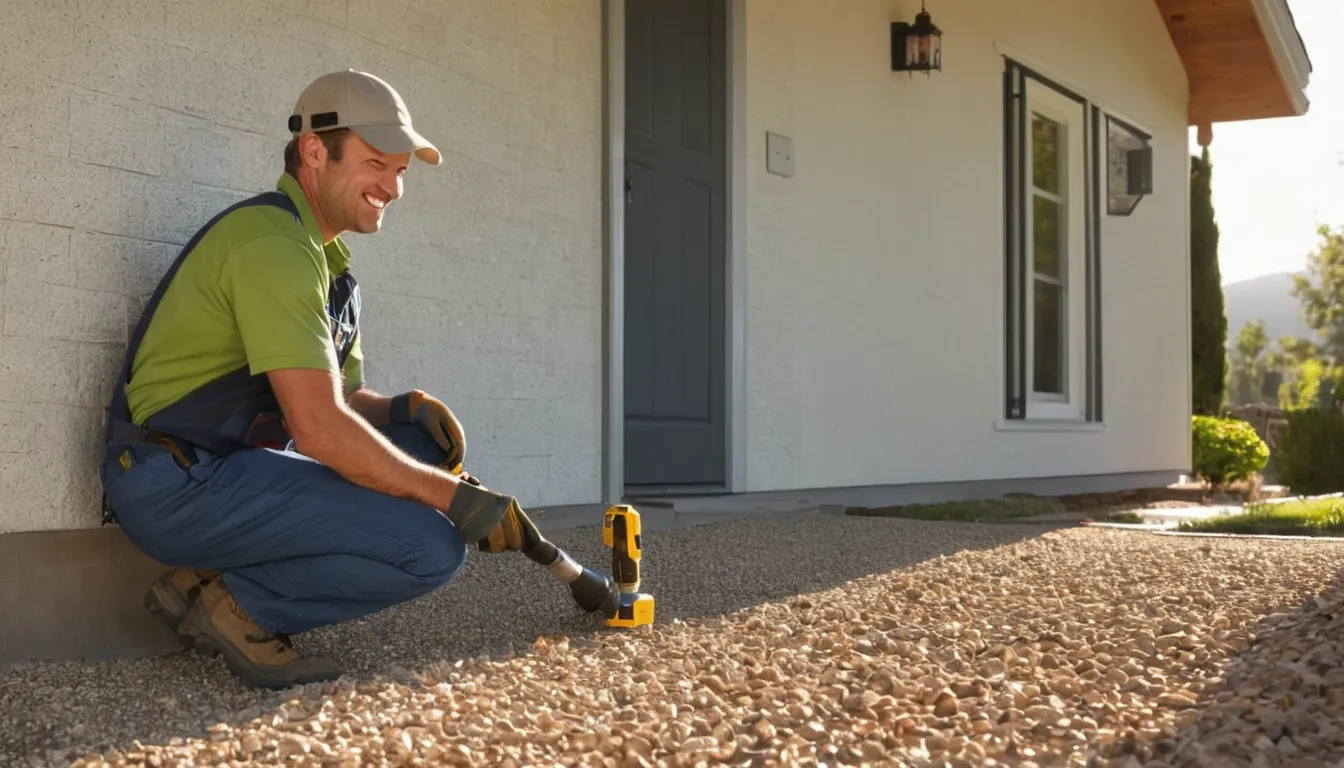
Termites eat the wood that holds a house together, and they do it out of sight. By the time damage shows, the colony has often been active for a while. Treatment aims to reach the colony or block its path, then confirm the work in a written report. The right method depends on the termite type, the foundation and how far the activity has spread.
Metersinvite Pest Control is a referral service. It explains the options first, then connects you with an independent provider in the network who inspects the home and treats it. Ask for a written quote before work starts. You have no obligation to accept it. Providers serving the Boulder area know local conditions such as basements, stucco, wood siding and spring snowmelt moisture.
Think You Have Termites? Start Here
Spotted mud tubes, discarded wings or soft, hollow-sounding wood? Treat it as time-sensitive. Metersinvite Pest Control is a referral service. It lays out your options first, then connects you with an independent provider in the network. The provider inspects and treats. Metersinvite Pest Control does not. Searching for an exterminator near me? Start with the steps below.
Request Service
What to Do Right Now
A few small moves protect your evidence and your options.
- Leave the damaged wood alone. Do not pry it apart or scrape tubes away.
- Photograph what you see, with a coin or ruler for scale.
- Save a few wings or insects in a sealed container.
- Skip store-bought sprays. They can scatter a colony instead of reaching it.
- Note where you saw activity and when.
Why Termites Need Prompt Attention
Termites feed on cellulose: wood, paper and cardboard. They work continuously and out of view, behind drywall, trim and flooring. Structural wood can thin out long before anything looks wrong from the outside.
This is not a gas-leak emergency. But delay has a price. Repair scope grows as feeding spreads, and an older, larger infestation is harder to map during inspection.
Know the Warning Signs
Termite evidence is easy to mistake for something else. Here are the three most common clues.
Mud Tubes
Pencil-width tunnels of dirt on foundation walls, piers or crawl space framing. Subterranean termites build them to travel safely. Break one open. Live workers inside point to current activity.
Swarmers and Wings
Winged termites leave the colony in warm weather to start new ones. Piles of translucent wings near windowsills, doors or light fixtures often mean a colony is already established nearby.
Hollow or Soft Wood
Tap baseboards, door frames and deck posts. A papery or hollow sound suggests the inside has been eaten. Tiny pellets that look like sawdust, called frass, suggest drywood termites.
Types of Termites
The type decides the treatment, so identification comes first.
- Subterranean: nest in soil and reach the home through mud tubes. The most common type in the U.S.
- Drywood: live entirely inside dry wood. They leave small pellets and need no soil contact.
- Dampwood: prefer wet, decaying wood. Usually tied to leaks or poor drainage.
Why Dry Climates Still Get Termites
Dry air does not make a home safe. Heavy snow loads and fast spring melt push moisture against foundations. Basements, stucco edges and wood siding that touches soil give termites both water and a route in. Newer frame construction can also hide early damage inside wall cavities. Intense sun and temperature swings crack trim and sealant, which opens gaps.
How Termite Treatment Works
Expect an inspection, a written plan, then treatment. These are the main methods.
Liquid Barrier Treatment
The provider treats soil along the foundation, sometimes by trenching or drilling. Termites that cross the zone are stopped or carry product back to the colony. It is common for subterranean termites.
Bait Stations
Stations placed around the home hold material termites carry to the colony. The provider checks them on a schedule. Baits suit homes where soil treatment is hard, such as those with slabs or tight landscaping.
Spot Treatment and Fumigation
Limited drywood activity may be treated in place with targeted products. Widespread drywood problems may call for tent fumigation, which means leaving the home for a period set by the provider.
Quote Before Work: What to Look For
A useful written quote names the termite type found, the areas affected and the method. Compare it against these points.
- Product or system named, with the treated area described
- Whether repairs are included or priced separately
- Follow-up visits and renewal terms in writing
- What you must do to prepare, such as moving stored items
Termite Inspections for Home Sales
Buyers and lenders often ask for a wood-destroying insect report. If you are selling, an inspection early on leaves time to treat and repair before a deal is at risk. If you are buying, the report shows active activity, past treatment and damage that needs a closer look. Read the findings, not just the pass or fail line.
Choosing a Termite Provider
Providers in the network are independent businesses. Verify the details yourself.
- Ask for current state licensing and proof of insurance.
- Ask which termite type they found and how they confirmed it.
- Request the plan and quote in writing.
- Ask what happens if termites return.
After Treatment: Treat, Then Seal
Treatment stops the activity. Sealing closes the doors. Once the provider signs off, fix the conditions that invited termites. Ask the provider to document any damage for repairs or a claim. Some policies may cover sudden damage, but many exclude termites, so check your policy.
Request Service
Keeping Termites Out Long Term
Maintenance is cheaper than a second round of work.
- Keep soil and mulch several inches below siding and stucco edges.
- Fix leaks, and direct gutters and snowmelt away from the foundation.
- Store firewood and scrap lumber away from the house.
- Ventilate crawl spaces and basements to cut moisture.
- Schedule inspections as the provider recommends.
What's Included
Inspection
A licensed provider checks the foundation, framing and crawl spaces and identifies the termite type found.
Treatment Plan
The method and treated areas are laid out in writing before work.
Damage Notes
Findings are recorded so you can plan repairs and discuss a possible insurance claim.
Follow-Up Guidance
Providers explain monitoring, renewal terms and what to change around the home.
Typical Termite Treatment Costs
These are typical U.S. ranges. Actual prices vary by home size, termite type, access and region. Always get a written quote that lists the method and what is included.
| Item | Typical range | Notes |
|---|
| Termite inspection | $75 – $300 | Some providers credit it toward treatment |
| Spot treatment | $200 – $900 | Limited drywood or small areas |
| Liquid barrier treatment | $1,200 – $3,000 | Depends on linear feet around the home |
| Bait station system | $1,500 – $3,500 | Monitoring visits may be extra |
| Tent fumigation | $1,200 – $4,000+ | Larger homes cost more |
| Annual renewal plan | $100 – $400 | Terms vary, so read the details |
Request Service
How It Works
Describe the Problem
Share what you saw: mud tubes, wings, soft wood or pellets, and where.
Get Matched
Request a callback or send the request form to be connected with a provider.
Review the Quote
Compare the written scope, method and follow-up terms before you decide.
Treat, Then Seal
The provider treats, then you correct moisture and access points.
Why Call Metersinvite Pest Control
Options Before Any Work
Learn the likely problem, treatment types and quote items before a provider ever visits.
Independent Local Providers
The network connects you with independent providers who handle inspection, treatment and repairs themselves.
Quote Before Work
Ask for written scope and terms first, with no obligation to accept.
Prevention Advice
Practical upkeep steps help keep termites from returning.
Other Services