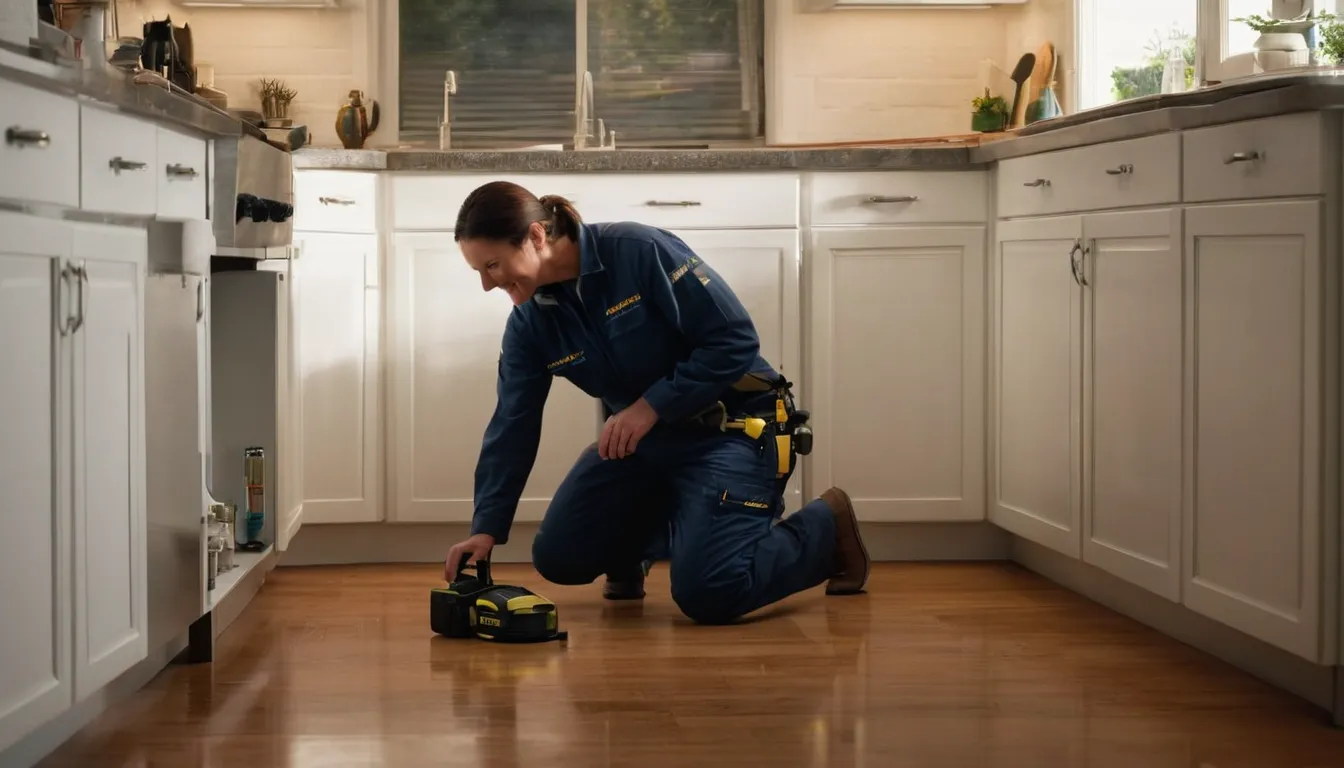
Residential pest control is the inspection, treatment and follow-up that clears insects and other small pests from a house. It starts with identifying the pest, because the right product for ants is often the wrong one for roaches or spiders.
Metersinvite Pest Control is a referral service for homeowners in Boulder, CO. It does not perform treatments. It explains your options, then connects you with an independent provider in the network who inspects, treats and plans follow-up. If you searched for an exterminator near me, this page shows what to expect before anyone starts work, so you can compare quotes with confidence.
Pests in the House? Start Here
Seen ants on the counter, spiders in the corners, or a roach after dark? Take one step before you buy a spray: find out what you are dealing with. Residential pest control means an inspection, a targeted treatment and a plan to keep the pests out.
Metersinvite Pest Control is a referral service. It lays out the options, then connects you with an independent provider in the network. The provider does the work. Request a callback to check provider availability.
Request Service
Sort the Urgent From the Routine
Some problems should not wait for a convenient weekend. Others can be scheduled.
- Act first: bed bugs, stinging insects nesting near a door, roaches near food, and droppings in living space.
- Book soon: ants trailing indoors, spiders in numbers, crickets that keep returning.
- Plan ahead: seasonal barrier treatments and routine checks.
Scratching in the walls with no insects in sight? That points to rodents or wildlife, which have their own page. Mud tubes or hollow wood? That points to termites, also covered separately.
Why Acting Early Matters
A few ants are a trail. A few weeks later they can be a colony inside a wall. Roaches and bed bugs multiply fast, and a small group is simpler to treat than an established one. Early action often means fewer products and fewer visits. That is how these pests behave, not a promise about any one job.
What Residential Pest Control Covers
A typical service has four parts.
- Inspection: the provider checks entry points, moisture, food sources and nesting spots.
- Identification: the species decides the method.
- Treatment: baits, gels, dusts, residual sprays and exterior barrier applications.
- Follow-up: many providers recheck activity and adjust the plan.
Common Pests Providers Treat
Ants. Baits reach the colony. Spraying only the trail can scatter it.
Roaches. Gel baits, cleanup and sealing work together. Species matter, so identification comes first.
Spiders. Providers treat the insects they feed on, then clear webs and entry points.
Crickets. They move indoors when outdoor conditions turn harsh. Sealing gaps and trimming outdoor lighting help.
Mice and rats. Light signs can be flagged during an inspection. Removal and exclusion are a separate service.
Bed Bug Treatment
Bed bugs need their own plan. Providers use heat, targeted products, or both, and most jobs involve a follow-up visit. Expect a prep list: laundry on high heat, clutter cleared, bedding bagged. Skip store-bought foggers. They can push bed bugs deeper into the home. Ask the provider what the plan includes if live bugs appear after treatment.
Questions About Product Safety
Ask for the product names and read the label together. Providers apply products as the label directs, and baits are placed where children and pets cannot reach. Ask how long to stay out of treated rooms and whether lower-impact options exist for your pest. A clear answer is a good sign.
One-Time Treatment or Ongoing Plan?
A single wasp nest or one ant trail often needs one treatment. Recurring problems usually call for a plan, commonly quarterly visits with exterior barrier work. Ask what happens between visits and whether extra calls are included in the price.
Treat, Then Seal
Treatment clears what is inside. Sealing keeps the next group out. Door sweeps, weatherstripping, screen repairs and caulk around pipes close the routes pests use. Some providers include basic exclusion. Others refer it out. Ask which applies.
What Local Conditions Mean for Pests
Dry air and strong sun push insects toward moisture. Look near irrigation lines, hose bibs, water heaters and damp basement corners. Fast spring melt can drive pests indoors. Heavy snow and hail can crack trim, vents and stucco, leaving new gaps. Newer frame homes also have joints where utilities enter.
What a Written Quote Should List
Quote before work. A useful quote names the target pests, the methods and products, interior and exterior scope, number of visits, prep you must do, and what happens if pests return. Compare quotes on those points, not only the price.
Request Service
Choosing a Provider
Ask whether the provider holds the state license required for pest work and carries insurance. Ask who will inspect, how long the visit runs and what the written terms say. Be cautious with anyone who quotes before seeing the problem or pushes you to sign on the spot.
Helping Treatment Work
A little prep improves results.
- Clear space along baseboards and under sinks.
- Store food in sealed containers and take out trash often.
- Fix leaks and dry damp spots.
- Keep firewood and debris away from the foundation.
- Note where you saw pests and when.
Need a plan for a specific pest? Request an estimate and compare your options.
Request Service
What's Included
Inspection
The provider checks entry points, moisture and nesting areas so treatment targets the actual source of the problem.
Targeted Treatment
Baits, gels, dusts or sprays are chosen for the pest found, not applied everywhere.
Exterior Barrier
Many providers treat the foundation, eaves and entry areas to stop pests before they get inside.
Follow-Up Visits
Rechecks confirm activity has dropped, and the provider can adjust products or the plan if needed.
Typical Pest Control Pricing
Prices vary by pest, home size and how established the problem is. These are typical U.S. ranges only. Ask every provider for a written quote that lists the scope, products and number of visits.
| Service | Typical range | Notes |
|---|
| Inspection | $75 – $250 | Some providers apply the fee toward treatment |
| One-time general treatment | $100 – $350 | Ants, spiders, roaches; interior and exterior |
| Quarterly plan, per visit | $40 – $150 | Often billed as a recurring plan |
| Roach treatment | $150 – $600 | Heavier infestations need repeat visits |
| Bed bug treatment | $300 – $2,500 | Heat costs more; size of home matters |
| Wasp or hornet nest | $75 – $300 | Height and nest size affect the price |
Request Service
How It Works
Describe the Problem
Tell us the pest, where you see it and how long it has gone on.
Review Your Options
Learn which treatments fit, and what a quote should list.
Get a Quote
A provider inspects and gives a written estimate before work.
Treat and Seal
The provider treats, then you close gaps and follow upkeep tips.
Why Call Metersinvite Pest Control
Options First
You learn the likely pest, the treatment choices and the next steps before you talk price.
Written Quotes
Ask providers to put scope, products and visits in writing before any work.
Independent Providers
Work is done by local providers in the network, not by Metersinvite Pest Control.
Prevention Focus
Treat, then seal, with upkeep tips that help pests stay out.
Other Services